

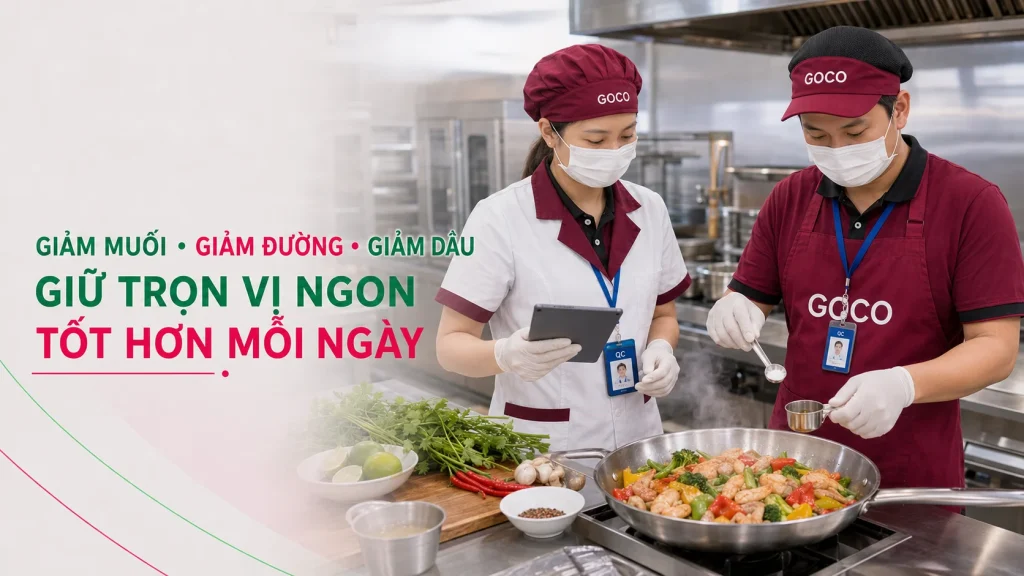
Successful seasoning adjustments should be gradual and supported by cooking techniques and real feedback from diners.
- Sudden Changes Can Reduce Acceptance
- Build Flavor Through Technique
- Rotate the Menu Intelligently
- Monitor Acceptance
Sudden Changes Can Reduce Acceptance
When salt, sugar or oil is reduced too quickly, employees may perceive the food as bland and reject the change. A phased approach gives taste preferences time to adapt.
Changes should begin with standardized recipes so the kitchen can measure what was adjusted and compare results fairly.
Build Flavor Through Technique
Aroma, browning, herbs, spices, natural acidity and texture can create satisfying flavor without relying only on salt or fat. Proper timing and temperature also affect taste.
Kitchen teams need practical training and tested recipes because healthier preparation should not depend on individual intuition.
Rotate the Menu Intelligently
A meal should not combine several heavily seasoned or fried dishes at the same time. Menu planning can alternate lighter dishes with stronger flavors to maintain balance.
Ingredients and cooking methods should vary across the cycle so that healthier meals still feel diverse.
Monitor Acceptance
Short surveys, leftovers and repeat comments can show whether a change is being accepted. The kitchen can then adjust seasoning, texture or combinations without abandoning the health objective.
Once a recipe performs well, the final quantities should be documented for consistent production.
Key Takeaways
- Reduce seasoning in stages
- Use herbs and cooking techniques for flavor
- Avoid combining several rich dishes in one meal
- Standardize recipes after testing
Looking for a solution that fits your operation?
GOCO VINA supports clients from needs assessment and menu development to daily operations and quality control. Talk to our team to identify an approach that matches your scale, workforce and budget.
Request a catering consultation · Explore GOCO VINA services