
GOCO VINA SERVICE

Hotel Dining

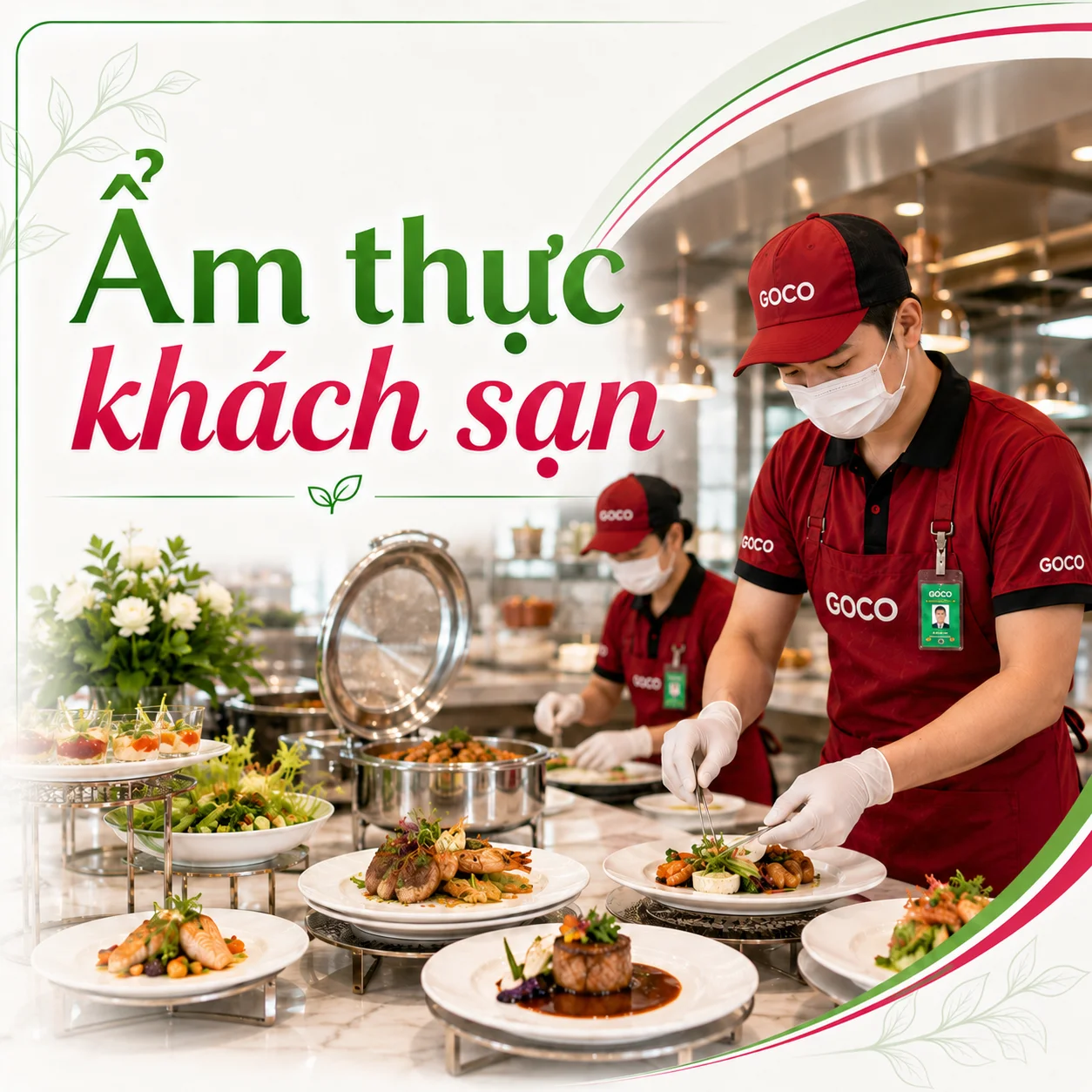
Hotel dining influences the guest experience from the first breakfast to the final event, making consistency, presentation and service coordination essential.

Đọc tiếng Việt
Hotel Dining
50+Project implementation
20+Provinces and cities
500+Employees
200,000+Meals every day
CORE VALUE

A practical, controllable operating model

Every model is designed around actual client conditions rather than a generic package.

Align dining with the hospitality brand

Converted into practical controls and measurable indicators.

Coordinate multiple food-service formats

Converted into practical controls and measurable indicators.

Standardize recipes and presentation

Converted into practical controls and measurable indicators.

Forecast breakfast and banquet peaks

Converted into practical controls and measurable indicators.

Balance guest satisfaction with cost and waste

Converted into practical controls and measurable indicators.

IN-DEPTH CONTENT

From assessment to operation and improvement

01

Food as Part of the Hospitality Brand

Align dining with the hospitality brand

Guests often remember dining as clearly as rooms or facilities. Breakfast variety, restaurant quality, event catering and service behavior all contribute to the property's reputation.

A hotel dining model should reflect the brand position while remaining reliable during daily peaks, seasonal demand and special events.

For hotel dining, GOCO VINA converts these requirements into practical and auditable standards: defined inputs, clear ownership, operating records and a response process for deviations. Clients can therefore review performance through evidence rather than isolated impressions.
02

Assessment and Operating Requirements

Align dining with the hospitality brand

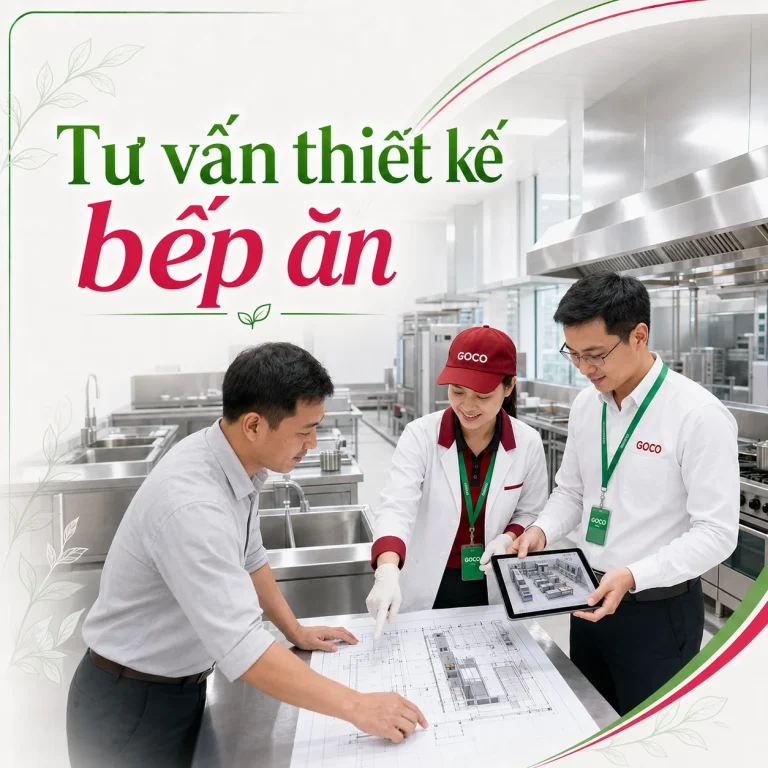
The assessment phase clarifies the real requirements before a hotel dining service is designed. GOCO VINA reviews user volume, service windows, facilities, equipment, budgets, safety expectations and special operating conditions.

The output is more than a current-state description. The team identifies the gap between existing capability and the required outcome, then prioritizes items such as Site and demand assessment, Operating model and service plan, Menu and portion framework and Food-safety control program. Lower-priority investment can be placed on a roadmap to prevent unnecessary cost.

Each requirement is connected to an acceptance criterion and approval owner. This makes the implementation of hotel dining more transparent, reduces last-minute changes and creates a reliable baseline for post-launch evaluation.

03

Designing a Multi-format Operation

Coordinate multiple food-service formats

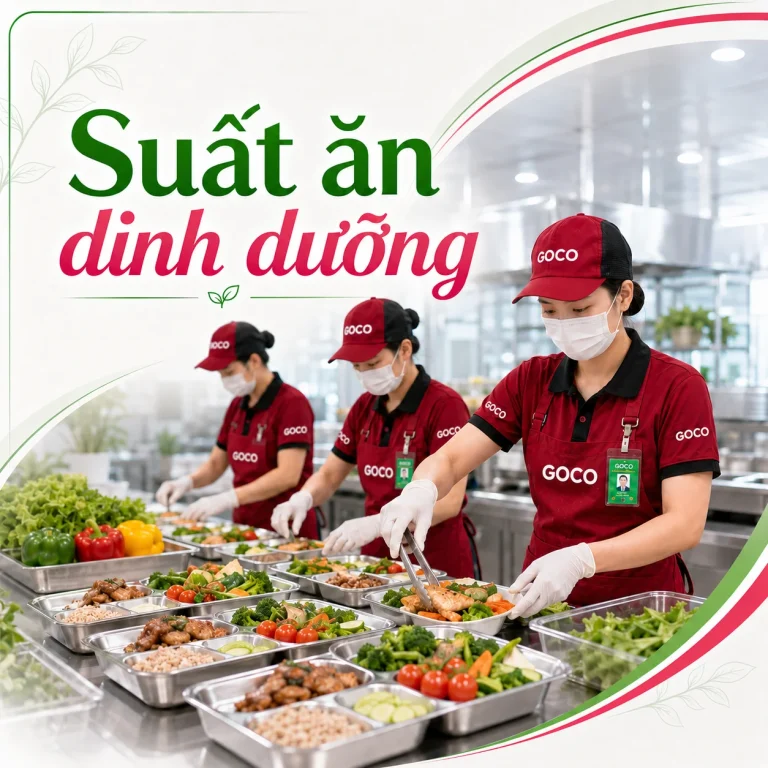
Hotels may operate breakfast, all-day dining, banquets, room service, pool service and employee meals at the same time. Each format has different timing, menu, staffing and equipment needs.

Central planning can share ingredients and production efficiently while preserving the identity and presentation required by each outlet.

For hotel dining, GOCO VINA converts these requirements into practical and auditable standards: defined inputs, clear ownership, operating records and a response process for deviations. Clients can therefore review performance through evidence rather than isolated impressions.
04

Standardization Without Losing Creativity

Standardize recipes and presentation

Recipes, plating guides, portion standards and service procedures support consistent quality across employees and shifts. Standardization protects the guest promise even when volume changes.

Creativity remains important, but new dishes should be tested for taste, cost, production time and repeatability before becoming part of the regular menu.

For hotel dining, GOCO VINA converts these requirements into practical and auditable standards: defined inputs, clear ownership, operating records and a response process for deviations. Clients can therefore review performance through evidence rather than isolated impressions.

05

Resources, Coordination and Contingency

Forecast breakfast and banquet peaks

A strong model only performs when people, suppliers, equipment, logistics and information are coordinated through one plan. GOCO VINA defines responsibilities, handover points and decision rights for common operating scenarios.

Resources are calculated around actual capacity rather than unnecessary excess. The plan includes primary capacity, reasonable reserves, ingredient or equipment alternatives and continuity procedures when volume or schedules change.

Direct client value includes Align dining with the hospitality brand, Coordinate multiple food-service formats, Standardize recipes and presentation and Forecast breakfast and banquet peaks. These outcomes are reviewed from mobilization and trials through full operation so that the model remains practical at site level, not only on paper.

06

Managing Breakfast and Event Peaks

Forecast breakfast and banquet peaks

Breakfast and banquet periods can create short, intense demand. Forecasting should consider occupancy, guest profile, group schedules and event programs.

Replenishment, live stations, food holding and table turnover need coordinated timing so that quality remains stable throughout the service window.

For hotel dining, GOCO VINA converts these requirements into practical and auditable standards: defined inputs, clear ownership, operating records and a response process for deviations. Clients can therefore review performance through evidence rather than isolated impressions.

07

Quality, Cost and Guest Feedback

Balance guest satisfaction with cost and waste

Food cost, labor, waste and guest satisfaction should be reviewed together. Reducing cost without understanding guest expectations can damage the overall experience.

Comments from guests, event organizers and front-office teams help the culinary operation identify recurring opportunities and respond before issues affect reputation.

For hotel dining, GOCO VINA converts these requirements into practical and auditable standards: defined inputs, clear ownership, operating records and a response process for deviations. Clients can therefore review performance through evidence rather than isolated impressions.

08

Implementation Roadmap, Reporting and Scalability

Clear roadmap and performance indicators

Implementation follows the stages of Assessment, Design, Mobilization, Operation and Improvement. Every stage has defined outputs, timing, ownership and exit conditions, allowing the client to review progress without managing disconnected tasks.

After launch, reporting focuses on indicators linked to quality, cost, stability and user experience. Exceptions are analyzed and converted into improvement actions with clear completion dates.

As requirements grow, hotel dining can expand by capacity, service point or scope. Using accumulated operating data reduces the need to redesign the whole system and supports consistent standards across each growth stage.

DELIVERABLES

What does the client receive?

The scope is documented for review, acceptance and continued operation.

✓Site and demand assessment
✓Operating model and service plan
✓Menu and portion framework
✓Food-safety control program
✓Staffing and training plan
✓Performance reports and review
DELIVERY PROCESS

Clear stages from assessment to improvement

01

Assessment

We review demand, users, facilities, service windows and operating constraints.

02

Design

We define the menu framework, workflow, staffing and quality-control model.

03

Mobilization

We prepare people, suppliers, equipment, documentation and launch plans.

04

Operation

The service runs through standardized production, supervision and reporting.

05

Improvement

Data, feedback and audits are converted into practical improvement actions.

FAQ

Questions before implementation

These answers help organizations prepare information and define the next step.

Who is Hotel Dining designed for?

Hotel Dining can be adapted for organizations with different workforce sizes, facilities, service schedules and quality expectations. GOCO VINA assesses the real operating environment before proposing the final model.

Can the service be customized to our budget and site conditions?

Yes. Menu structure, production model, service format, staffing and equipment requirements can be adjusted while protecting essential food-safety and quality standards.

How does GOCO VINA control daily quality?

Daily control is supported through approved suppliers, standardized recipes, hygiene procedures, temperature records, supervision, incident handling and periodic performance review.

How long does implementation take?

The timeline depends on site readiness, required equipment, recruitment, approvals and service scale. A mobilization plan is agreed after the initial assessment.

GOCO VINA

Planning hotel dining for your organization?

GOCO VINA assesses your requirements, designs the model and supports implementation, operation and continuous improvement.

Request consultation