

Industrial meals are evolving from a basic welfare item into a measurable employee experience built around nutrition, flexibility and trust.
- Meals as Part of the Employee Experience
- Three Trends Shaping 2026
- Technology Makes Operations More Accurate
- Where Should Companies Begin?
Meals as Part of the Employee Experience
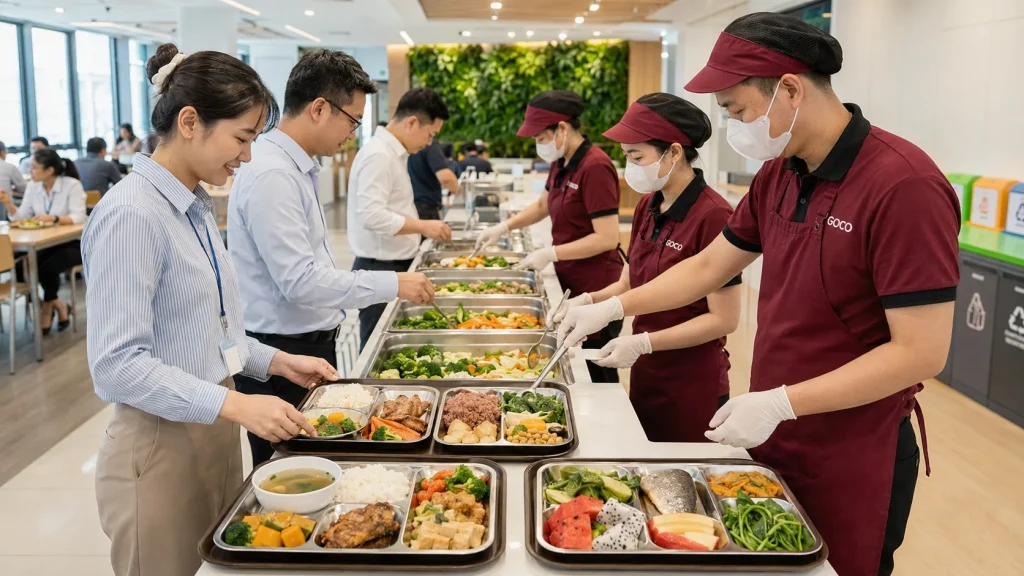
For many companies, a shift meal is no longer a purely logistical item. Taste, serving time, menu variety and confidence in food safety all influence how employees feel about their workplace. This is why more employers now treat catering as part of the overall employee experience and company culture.
An effective meal program must balance three objectives at the same time: budget discipline, employee wellbeing and dependable daily operations. When these priorities are aligned, the service can improve satisfaction without placing additional pressure on administration teams.
Three Trends Shaping 2026
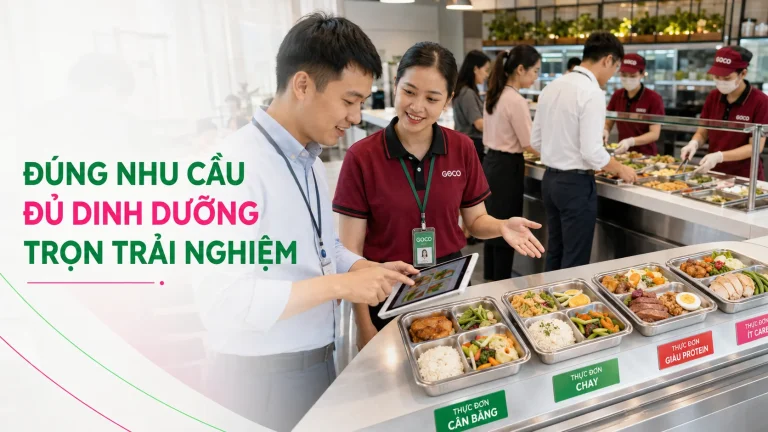
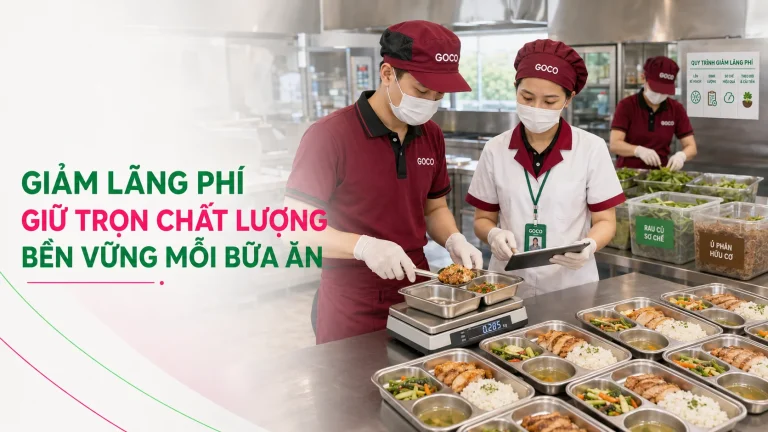
The first trend is greater menu flexibility by job type and work shift. Employees doing physically demanding work may need a different energy profile from office teams, while night-shift meals require different timing and dish composition. The second trend is transparency, including clearer information about ingredients, controls and feedback. The third is waste reduction through better forecasting and standardized portions.
Companies are also showing stronger interest in regional dishes, lighter cooking methods, vegetarian choices and selected special diets. The goal is not to offer unlimited options, but to build a controlled system that can adapt without disrupting kitchen efficiency.
Technology Makes Operations More Accurate
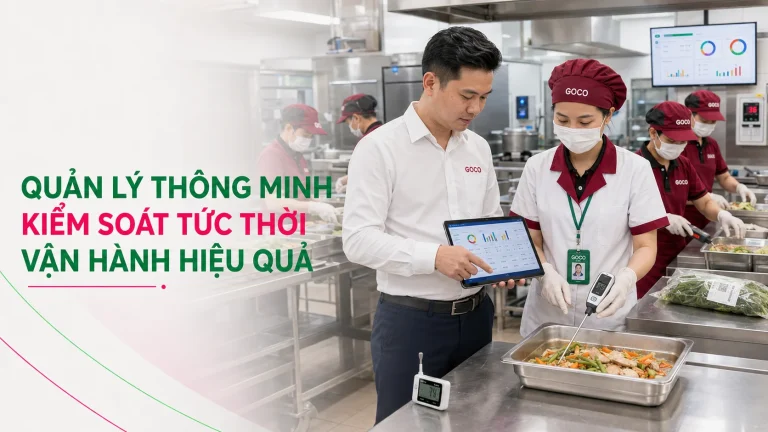
Digital tools can support meal registration, production forecasting, delivery tracking and post-meal feedback. The resulting data helps operators identify popular dishes, peak congestion periods and recurring waste patterns across locations or shifts.
Technology only creates value when it is connected to clear operating rules. Data should lead to practical actions such as adjusting portion sizes, changing menu cycles, adding serving points or redesigning traffic flow in the canteen.
Where Should Companies Begin?
The first step is to assess the current service with measurable indicators, including on-time performance, menu diversity, taste feedback, waste levels and food-safety compliance. The company and service provider can then agree on the priorities for each stage of improvement.
A practical roadmap usually starts with menu and production standardization, followed by service-flow optimization and then selected personalization. A phased approach helps control cost and reduces disruption to employees.
Key Takeaways
- Menus aligned with work shifts and user needs
- Transparent sourcing and quality-control standards
- Data used to reduce waste and improve experience
- Regular reviews based on clear operational indicators
Looking for a solution that fits your operation?
GOCO VINA supports clients from needs assessment and menu development to daily operations and quality control. Talk to our team to identify an approach that matches your scale, workforce and budget.
Request a catering consultation · Explore GOCO VINA services