

From meal registration to delivery tracking, data can make industrial-kitchen operations more transparent and accurate.
- Which Problems Can Technology Solve?
- Begin with Practical Functions
- Make Data Easy to Use on Site
- Combine Digital Tools with Direct Checks
Which Problems Can Technology Solve?
Industrial kitchens coordinate demand, ingredients, recipes, labor, equipment and delivery deadlines. Manual processes can work at a small scale but become difficult to control across multiple shifts and locations.
Technology can centralize information, reduce repeated data entry and highlight exceptions that need human attention. It is most useful when it solves a specific operating problem rather than adding another reporting layer.
Begin with Practical Functions
Useful starting points include meal registration, demand forecasting, menu planning, stock records and delivery confirmation. These functions directly affect daily accuracy and can produce visible improvements quickly.
Organizations should prioritize modules that fit their current level of process maturity. A focused system used consistently is more valuable than a complex platform that teams avoid.
Make Data Easy to Use on Site
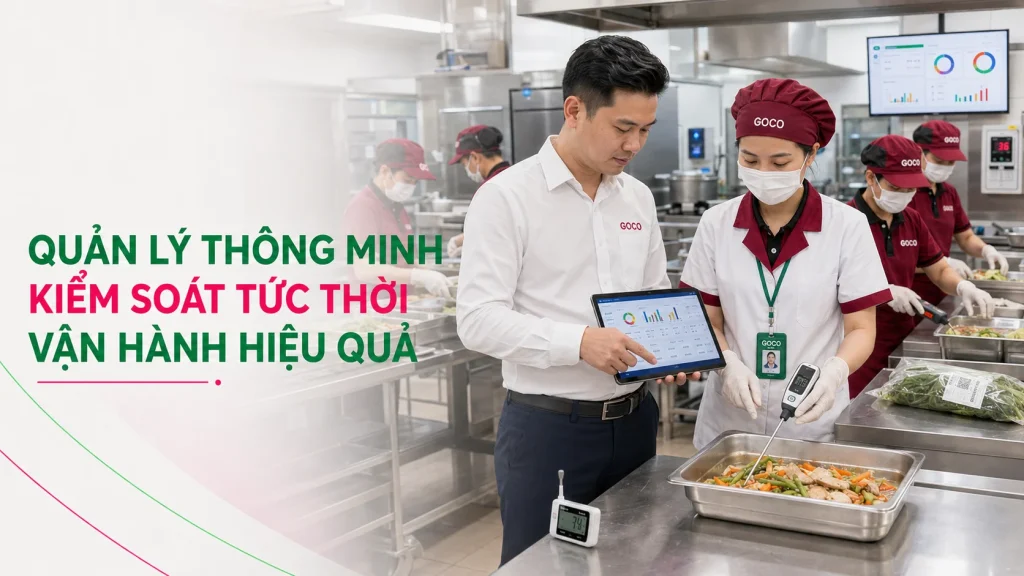
Kitchen teams need simple screens, clear alerts and information that is available at the right workstation. Data entry should be short enough to complete during real operations, including peak production periods.
Reports should turn raw numbers into decisions, such as unusual stock use, delayed production, excessive waste or repeated complaints. Managers need to know what action is expected when an alert appears.
Combine Digital Tools with Direct Checks
Digital records cannot replace physical inspection of ingredients, hygiene, cooking and serving conditions. Technology should support the control system, while trained employees verify actual conditions.
Regular comparison between digital records and on-site observations helps identify gaps and keeps the system reliable over time.
Key Takeaways
- Meal registration and production forecasting
- Menu, inventory and ingredient-lot management
- On-time delivery confirmation
- Feedback and quality-report consolidation
Looking for a solution that fits your operation?
GOCO VINA supports clients from needs assessment and menu development to daily operations and quality control. Talk to our team to identify an approach that matches your scale, workforce and budget.
Request a catering consultation · Explore GOCO VINA services